Best cultural exchange activities for authentic home swaps

SwappaHome Editorial Team
Home Exchange & Slow Travel Editorial
Best cultural exchange activities for authentic home swaps !Guest reading neighborhood guide in home living room > TL;DR: > > - Staying in a home...
Best cultural exchange activities for authentic home swaps
 Guest reading neighborhood guide in home living room
TL;DR:
- Staying in a home exchange immerses travelers in authentic neighborhoods, local routines, and cultural experiences. Choosing activities involving real people, everyday routines, and personal recommendations enhances meaningful cultural exchange. Building trust and genuine curiosity with hosts transforms travel into lasting connections rather than just sightseeing.
Staying in someone's home instead of a hotel changes everything about how you experience a destination. You wake up in a real neighborhood, shop at the same market your hosts use every week, and discover the coffee shop three blocks away that no travel guide ever mentions. Home swaps allow discovery of authentic neighborhoods, local markets, and everyday routines that feel impossible to access from a hotel lobby. This article walks you through the best cultural exchange activities for home swappers, how to choose them wisely, and how to stay safe while doing it all.
Table of Contents
- How to choose meaningful cultural exchange activities
- Top 7 cultural exchange activities for home swappers
- Comparison: Home swapping vs. traditional accommodation for cultural activities
- Tips for safe and smooth cultural exchanges
- The most authentic travel comes from real connections, not just activities
- Start your cultural exchange adventure with SwappaHome
- Frequently asked questions
Key Takeaways
| Point | Details |
|---|---|
| Authentic immersion | Choosing the right activities and connecting with your host creates genuine, everyday cultural experiences. |
| Significant cost savings | Home swapping can save families thousands per trip, allowing longer, deeper exchanges. |
| Host as local guide | Treating your host as a cultural advisor unlocks unique insights and hidden local opportunities. |
| Preparation matters | Clear communication and expectation-setting with your swap partner ensure a safe, seamless experience. |
How to choose meaningful cultural exchange activities
Not every activity delivers the same depth of immersion. A tourist trap dressed up as a "local experience" still feels hollow, no matter how many five-star reviews it has online. The key is choosing activities that pull you into the actual rhythm of daily life rather than a performance of it.
Start by asking yourself three questions before committing to any activity:
- Does it involve real local people? Cooking classes hosted by a neighborhood family hit differently than a hotel-run demonstration.
- Is it part of everyday routines? Things locals do every week, like visiting a weekend market or attending a community sports game, give you a window into real life.
- Does it come from a personal recommendation? Your swap host knows their neighborhood far better than any travel app.
Home swapping is genuinely budget-friendly and designed for travelers who want authentic cultural immersion rather than a checklist of tourist sites. That means the platform itself works best when you lean into connection-driven activities.
Your hosts are your single greatest resource. Before you arrive, send a friendly message asking about their favorite spots, local seasonal events, or neighborhood traditions. Most home swap hosts are genuinely excited to share what makes their community special. Read up on cultural exchange travel success to understand how the planning stage shapes the entire experience.
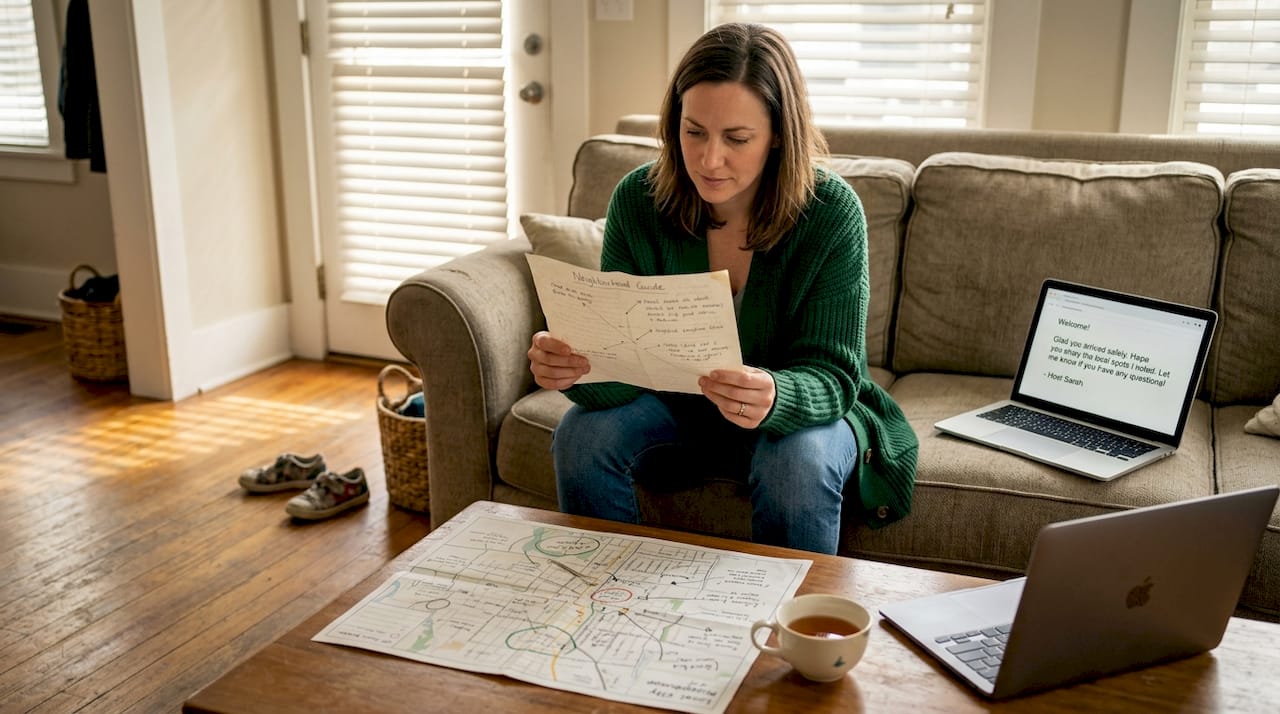
Pro Tip: Ask your host to leave a handwritten "neighborhood guide" at the home. This simple gesture often unlocks recommendations that feel deeply personal, from the best Tuesday farmer's market to the park where locals walk their dogs at sunrise.
Always review the home swap etiquette guide before your trip so that your relationship with your host starts on a foundation of mutual respect. A warm host relationship dramatically expands the range of local experiences available to you.
Top 7 cultural exchange activities for home swappers
With a clear framework in hand, let's break down the most rewarding activities you can try during your next home swap. These are not random suggestions. Each one is rooted in the practical reality of staying in someone's actual home and using that access to go deeper than any hotel stay ever could.
-
Cook and eat local dishes at home. Your host's kitchen is a cultural artifact. Use it. Pick up ingredients from the local market, follow a regional recipe, and eat at the kitchen table instead of a restaurant. This single activity teaches you more about a food culture than any culinary tour.
-
Shop at neighborhood markets with host recommendations. Generic supermarkets exist everywhere. A local Saturday market does not. Ask your host which vendors they trust, what's in season, and whether there's a specific stall that locals love. Shopping at local markets is one of the most direct ways to connect with authentic neighborhood culture.
-
Attend local festivals or community events. Check the local events calendar for your travel dates. City-wide festivals are great, but smaller neighborhood events, a school fundraiser, a street fair, or a community clean-up morning, offer something far richer. The crowd at these events is almost entirely local.
-
Eat at family-run restaurants and hidden gems. Chain restaurants tell you nothing about a place. A family-run trattoria that's been open for 40 years tells you everything. Ask your host for their personal dining recommendations, not the most-reviewed spots online but the places they actually go for birthdays and celebrations.
-
Join neighborhood walks or outdoor activities. Many cities have free community hiking groups, cycling clubs, or walking tours led by actual residents. These are genuinely deeper travel memories compared to guided tourist walks because the conversation is real and unscripted.
-
Learn basic local language phrases with neighbors. Even five or ten phrases in the local language signals respect. Neighbors notice. A "good morning" in the right language at the corner bakery can open up a 20-minute conversation you never expected. This is especially rewarding in destinations like Vancouver, Hong Kong, or Seattle, where distinct local cultures reward genuine curiosity.
-
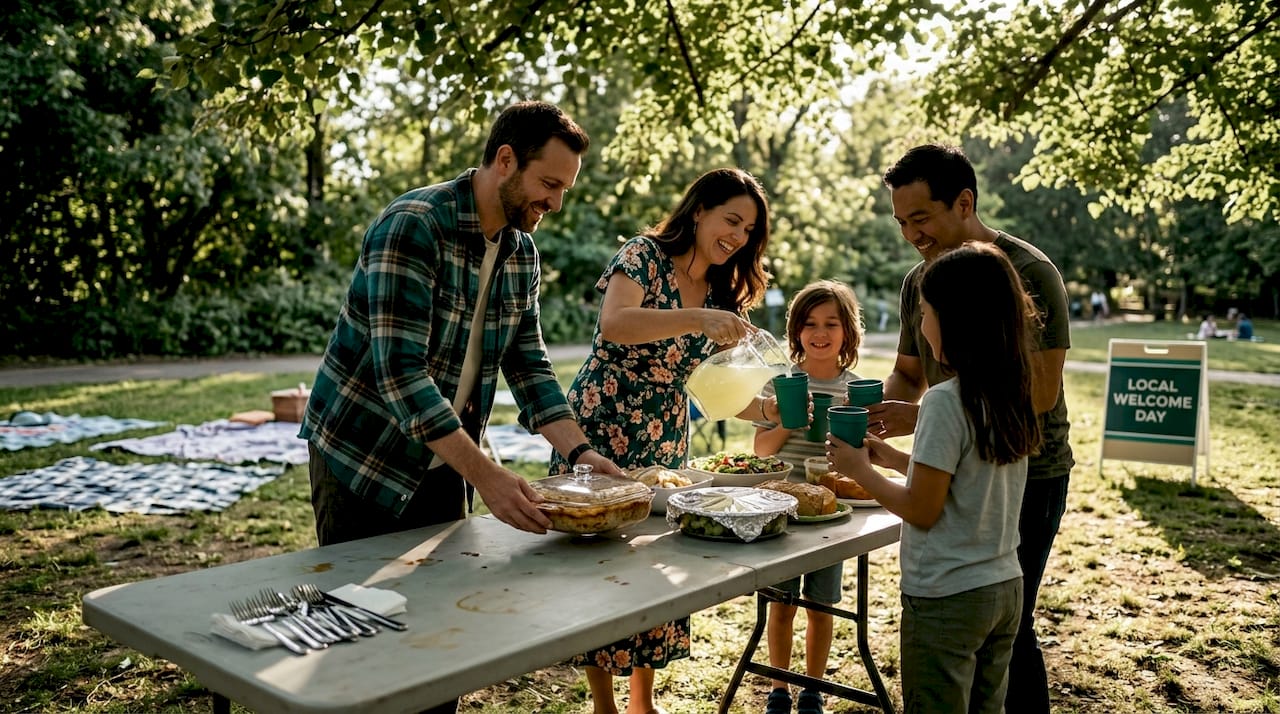
Share your own culture with the community. Cultural exchange runs both ways. Cook a meal from your home country and invite your hosts or their neighbors over. Bring a traditional card game. Play music from your region. This act of sharing creates a genuine bond that transforms a simple accommodation swap into a real human connection.
"The best cultural exchange happens not at the tourist sites but at the kitchen table, the market stall, and the neighborhood park. Home swapping gives you access to all three."
Pro Tip: Before your trip, search for any community Facebook groups or neighborhood apps for your destination. Many locals actively welcome visitors who show genuine interest in their community.
 Neighbors sharing food at local community potluck
Comparison: Home swapping vs. traditional accommodation for cultural activities
You might wonder how these experiences stack up against other travel accommodations. Here's a head-to-head look at how home swapping compares to hotels and short-term rentals when it comes to supporting real cultural immersion.
| Factor | Home swap | Hotel | Short-term rental |
|---|---|---|---|
| Host relationship | Personal and ongoing | None | Minimal |
| Neighborhood authenticity | High (residential areas) | Low (tourist zones) | Medium |
| Local recommendations | Deeply personalized | Generic concierge | Sometimes a typed note |
| Kitchen access | Full kitchen always | Rarely included | Usually yes |
| Cost per night | Free (credit-based) | $100 to $400+ | $80 to $250+ |
| Cultural insider access | Very high | Very low | Low to medium |
| Flexibility for longer stays | Very high | Expensive | Moderate |
The financial difference alone is striking. Families save an average of $3,500 per vacation through home swapping compared to traditional accommodations. That's money you can redirect toward experiences, local restaurants, cooking classes, or simply extending your stay by a week.
The deeper advantage, though, is relational. A hotel concierge gives you a laminated sheet of "recommended restaurants." Your home swap host tells you which table to ask for at their cousin's restaurant and what dish is only available on weekends. That gap in authenticity is enormous.
Other specific advantages of home swapping for cultural activities include:
- Living in residential neighborhoods rather than tourist corridors means your daily walk to get coffee is through real local life.
- Full kitchen access lets you practice cooking local dishes without paying for an organized class.
- Longer stays become financially realistic, which matters because real cultural immersion takes time. A weekend is a postcard. Two weeks is a relationship.
Learn more about how affordable home swapping worldwide works and why the credit-based model is especially useful for travelers who want to stay longer without budget anxiety.
Tips for safe and smooth cultural exchanges
To make the most of your cultural activities, it's also crucial to keep exchanges safe, clear, and enjoyable for everyone involved. Trust is the foundation of every great home swap, and it's built through communication before you ever arrive.
Being explicit about what guests can and cannot do is one of the most important pieces of advice for both hosts and travelers. Assumptions cause friction. Clear communication prevents it.
Here's a practical safety and preparation checklist:
- Confirm house rules in writing before arrival: parking, noise levels, smoking policies, and which rooms are private.
- Exchange emergency contacts including a local number if possible.
- Ask about pets or plants that need care and be honest about your comfort level.
- Clarify check-in and check-out times so neither party is left waiting.
- Understand platform protections including verification status, support contacts, and dispute processes.
| Situation | Recommended action |
|---|---|
| Plans change unexpectedly | Notify your partner immediately and propose alternatives |
| You find a home issue on arrival | Document with photos and contact platform support |
| Cultural misunderstanding arises | Address it politely and directly; most resolve quickly |
| Host adds last-minute restrictions | Acknowledge calmly and confirm the updated expectations in writing |
| Safety concern during stay | Contact platform support and local authorities if necessary |
Following home swap etiquette tips is not just about being polite. It directly affects the quality of your cultural experience. A host who trusts you is far more likely to invite you to a neighborhood event or connect you with a friend who speaks the local language. Take time to prepare your home for swaps with the same care you'd want applied to your own stay.
The most authentic travel comes from real connections, not just activities
Here's an opinion that might surprise you: the list of seven activities above is genuinely useful, but it's also the second most important thing in this article. The most important thing is understanding why your hosts matter more than your itinerary.
We live in a culture of travel checklists. Visit these five neighborhoods. Eat at these three restaurants. Take a photo at this overlook. The checklist turns travel into consumption, and consumption is the opposite of cultural exchange.
Real immersion happens when you treat your host as a local cultural broker rather than a person who hands you the Wi-Fi password and disappears. A cultural broker is someone who translates not just language but worldview. They tell you why the neighborhood festival matters to the people who grew up here. They explain the history behind a dish that every local grandmother makes. They connect you to meaning rather than just logistics.
This isn't a romantic idea. It's practical. The travelers who report the most transformative experiences are consistently those who stayed curious about their hosts as human beings, asked genuine questions, and were willing to share themselves in return.
The limits of checklist-style tourism become obvious after a few trips. You can visit ten countries and still feel like a stranger in all of them if you never slow down long enough to actually talk to anyone. A two-week home swap in one city where you cook with neighbors, attend a local festival, and learn 30 words of the language will produce more lasting memories than a fast-paced tour of five countries.
At Swappahome, community best practices reflect this philosophy. Trust, reciprocity, and genuine curiosity are what make the platform work. They're also exactly what make cultural exchange meaningful.
The uncomfortable truth is that open-mindedness matters more than your activity list. Show up ready to be surprised, slightly confused, and occasionally wrong about your assumptions. That's when travel actually teaches you something.
Start your cultural exchange adventure with SwappaHome
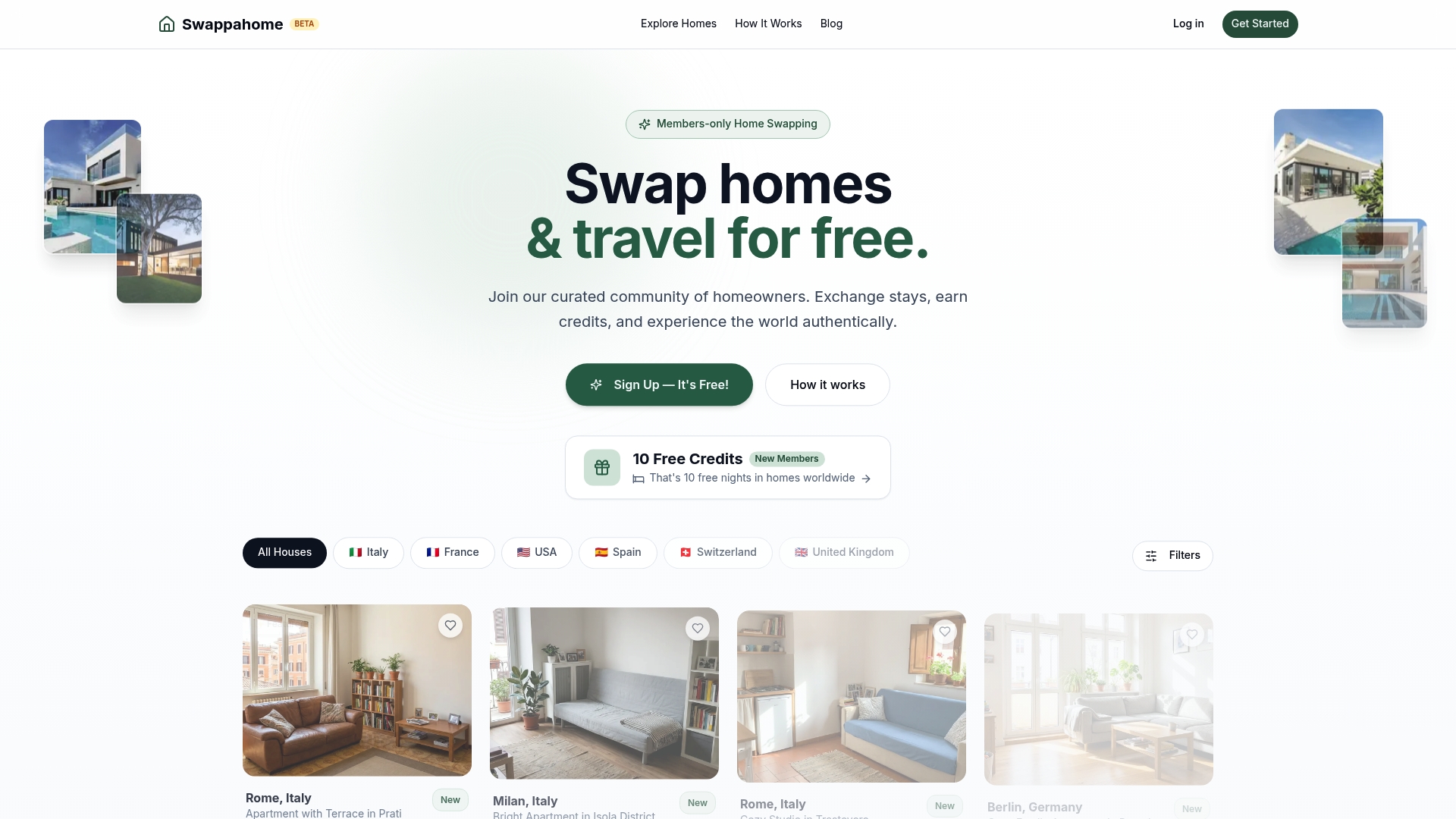
Ready to put your cultural exchange plans in motion? SwappaHome makes it simple to find verified homes in destinations that match your interests, earn credits by hosting, and use those credits to stay anywhere in our global community.
 https://swappahome.com
Home swapping on SwappaHome is built around authentic connection and zero accommodation costs. Every credit you earn as a host equals one free night somewhere new. Browse our available home swap listings to find your next destination, whether that's a cozy apartment in Paris, a suburban home in Tokyo, or a city townhouse in Beijing. New members receive free credits to get started. Your most authentic trip is already waiting.
Frequently asked questions
What are the best ways to ask your home swap host for local recommendations?
The best approach is to express genuine interest in living like a local and ask specifically about family-run restaurants, favorite weekend markets, or neighborhood traditions your host actually participates in. Living like a local through a host's personal recommendations is the core cultural mechanism that makes home swapping so different from any other travel style.
How much money can you save by doing a home swap instead of booking hotels?
Home swaps can save the average family up to $3,500 per vacation compared to traditional hotel accommodations. That savings makes longer, deeper cultural stays financially realistic for most families.
What should I clarify with my home swap partner before arrival?
Discuss house rules, which areas you can use freely, emergency contacts, pet or plant care, and any cultural customs or expectations specific to the home or region. Being explicit about expectations before arrival is the single most effective way to prevent misunderstandings during your stay.
Can you participate in cultural exchange without a direct swap?
Yes. Many platforms, including SwappaHome, support a points or credits model that lets you stay in a member's home without needing a simultaneous swap, giving you all the same immersion benefits without the scheduling complexity.
Recommended
- Home Swap in The Hague: Authentic Dutch Cultural Immersion Guide
- Teaching Kids About Travel Through Home Swapping | Family Guide
- Cultural Immersion in Vancouver Through Home Swapping | Complete Guide
- Step-by-Step Guide to Cultural Exchange Travel Success | SwappaHome Blog
- Shared hostel spaces: affordable adventure & community | Fox Hostel – South Iceland

Published by
SwappaHome
SwappaHome Editorial Team
Home Exchange & Slow Travel Editorial
The SwappaHome Editorial Team brings together travel research, home-exchange community insights, and platform data to produce practical guides for first-time and experienced home swappers. Every article cites real platforms, current market rates, and verifiable city-level facts so readers can make informed decisions without guessing.
Ready to try home swapping?
Join SwappaHome and start traveling by exchanging homes. Get 7 free credits when you sign up!